

Finding the Right Comfortable Flat Bench for Your Home Gym
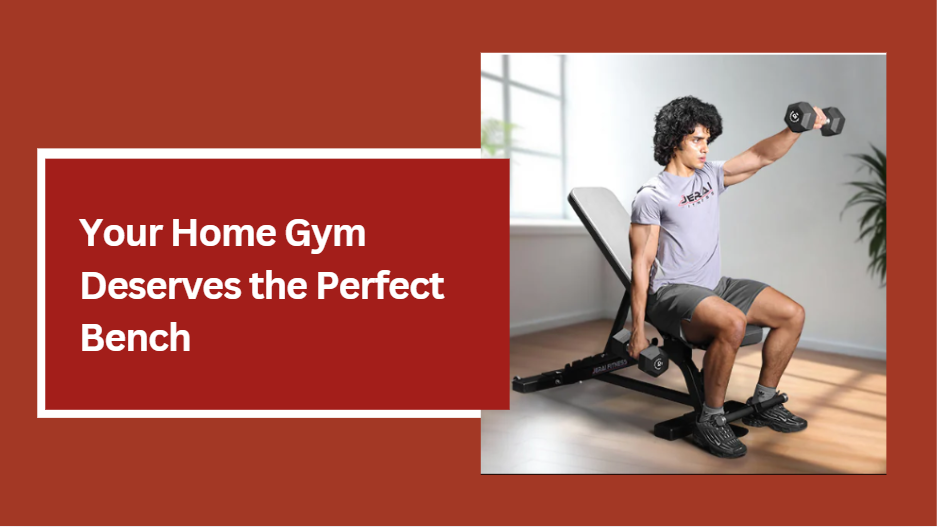
Setting up a home gym doesn't have to mean compromising on quality or comfort. Whether you're building your first workout space or upgrading existing equipment, choosing the right workout bench for home can make all the difference in your training routine. A proper flat bench provides stability for pressing movements, supports various dumbbell exercises, and serves as a foundation for full-body strength training.
Why Your Flat Bench Choice Matters
The right flat bench transforms how you train at home. A quality workout bench for home creates a stable platform for bench presses, dumbbell flies, shoulder presses, and dozens of other movements. When you're lifting heavy weights or performing high-repetition exercises, comfort becomes just as important as stability.
Many people underestimate how much time they'll spend on their bench. During a typical chest and shoulder workout, you might spend 30 to 45 minutes actually lying or sitting on the bench surface. Poor padding or unstable construction can lead to discomfort, distraction, and even injury over time.
Key Features of a Comfortable Flat Bench
Padding Quality and Thickness
The padding on your flat bench directly affects your workout experience. Look for benches with foam padding between 2 to 3 inches thick. This thickness provides enough cushioning for comfort while maintaining the firmness needed for proper form and stability.
Dense foam padding holds up better over time compared to softer options. High-density foam resists compression, which means the bench won't develop permanent indentations or lose support after months of use. The covering material matters too. Vinyl or synthetic leather coverings offer durability and are easy to clean after sweaty training sessions.
Weight Capacity Standards
Weight capacity includes both your body weight and the weights you're lifting. A bench rated for 300 to 400 pounds might seem adequate for beginners, but serious lifters should look for options supporting 600 to 1,000 pounds or more.
Higher weight capacity usually indicates stronger frame construction and better overall durability. Even if you're not currently lifting heavy weights, choosing a bench with higher capacity gives you room to grow as your strength improves. This forward-thinking approach saves money in the long run because you won't need to upgrade equipment as your fitness level advances.
Frame Construction
Steel frame construction determines long-term reliability. Quality flat benches use 11-gauge or 12-gauge steel tubing, typically measuring 3 inches by 3 inches. This heavy-duty construction prevents wobbling during exercises and ensures the bench remains stable even under maximum loads.
The welding quality and connection points between frame components also affect stability. Look for benches with reinforced joints and smooth, even welds. These details might seem minor, but they contribute significantly to how the bench performs during intense training sessions.
Bench Dimensions
Standard flat bench dimensions include a pad length of 36 to 40 inches and width of 11 to 12 inches. This size accommodates most users while providing adequate support for the back during pressing movements.
The height from floor to pad typically measures 17 to 18 inches. This height allows proper foot placement during bench press exercises and maintains comfortable ergonomics for various movements. Taller or shorter individuals might need to consider these measurements more carefully to ensure proper form.
Types of Flat Benches for Home Use
Traditional Fixed Flat Benches
Fixed flat benches offer maximum stability for pressing movements. Without adjustment mechanisms, these benches eliminate potential weak points in the frame. They're ideal for lifters focused primarily on developing bench press strength.
The simplicity of fixed benches means fewer parts to maintain or replace. They typically weigh between 50 to 70 pounds, providing a solid base that won't shift during use. Many models include wheels and handles for easier repositioning despite their weight.
Foldable Flat Benches
Space-conscious home gym owners appreciate foldable designs. These benches fold to approximately 7 to 9 inches thick when stored, making them easy to slide under beds or into closets.
Quality foldable benches still maintain weight capacities of 600 pounds or more. The folding mechanism should lock securely in both open and closed positions. While foldable benches offer convenience, ensure the frame design doesn't compromise stability during workouts.
Competition-Style Benches
Competition benches follow International Powerlifting Federation specifications. They feature a tripod design with a single post at the front instead of a wide base. This design allows unrestricted foot placement for optimal leg drive during heavy bench presses.
These benches work well for serious strength athletes but also benefit anyone who wants the option to tuck their feet under the bench. The grippy vinyl covering found on competition benches helps maintain position during heavy lifts.
Choosing the Right Bench for Your Workout Style
For General Fitness Training
If you're performing a mix of dumbbell exercises, core work, and moderate pressing movements, a mid-range flat bench with 600-pound capacity works well. Prioritise comfort features like thicker padding and quality covering material since you'll use the bench for extended periods across varied exercises.
For Strength-Focused Training
Serious lifters pursuing heavy bench press numbers should invest in competition-style or heavy-duty flat benches. These options provide the stability needed for progressive overload training. The single-post front design allows proper leg drive technique, which becomes increasingly important as weights increase.
For Small Space Training
Foldable benches or lightweight models with wheels suit compact home gyms. These options allow you to create workout space when needed and reclaim floor area afterward. Ensure foldable models still meet minimum stability and weight capacity requirements for your training needs.
Setting Up Your Workout Space
A proper workout bench for home needs adequate surrounding space. Allow at least 6 feet of clearance on all sides when using the bench with a barbell. This space accommodates safe bar path and emergency bail-out situations.
Gym machines for home often work alongside flat benches to create comprehensive training stations. For example, Jerai Fitness offers home gym systems that can be used with flat benches for cable-based movements and assisted exercises. This combination expands exercise variety without requiring multiple separate pieces of equipment.
Consider flooring protection under and around your bench. Rubber mats or gym flooring protects floors from weights and provides a non-slip surface for foot placement during exercises.
Maintenance and Care Tips
Regular Inspection
Check all bolts and connection points monthly. Vibration from use can gradually loosen hardware. Tightening these connections maintains stability and prevents more serious issues from developing.
Inspect the padding and covering material for tears or excessive wear. Small tears can be repaired with vinyl repair kits, but extensive damage might require pad replacement. Many manufacturers sell replacement pads separately.
Cleaning and Protection
Wipe down vinyl surfaces after each use to remove sweat and body oils. These substances can degrade covering material over time. Use mild soap and water rather than harsh chemicals that might damage vinyl or stitching.
Store benches in climate-controlled spaces when possible. Extreme temperature fluctuations and high humidity can affect both frame coating and padding materials. If storing a bench in a garage or shed, use a cover to protect against dust and moisture.
Lubrication
Apply lubricant to wheel axles and any adjustment mechanisms every few months. This simple maintenance step ensures smooth operation and extends the life of moving parts.
Budget Considerations
Quality workout benches for home range from Rs. 3,000 to Rs. 30,000 or more. Entry-level benches under Rs. 5,000 typically support lighter weights and may use thinner padding or lighter-gauge steel.
Mid-range benches between Rs. 8,000 and Rs. 15,000 offer good balance between features and cost. These benches usually include adequate weight capacity, quality padding, and durable construction suitable for most home gym users.
Premium benches exceeding Rs. 20,000 feature competition-grade construction, customisable options, and commercial-quality materials. These represent long-term investments for serious training spaces.
Common Mistakes to Avoid
Choosing Based on Price Alone
The cheapest option rarely proves most economical over time. A bench that wobbles, has inadequate padding, or fails after six months wastes money regardless of initial cost. Calculate the per-year cost based on expected lifespan rather than focusing only on purchase price.
Ignoring Assembly Requirements
Some benches arrive fully assembled while others require significant setup. Review assembly requirements before purchasing, especially if you lack tools or experience with equipment assembly. Poorly assembled benches can be unsafe and won't perform as designed.
Overlooking Dimensions
Measure your available space before ordering. A bench might seem perfect online but prove too long or wide for your workout area. Remember to account for surrounding clearance space, not just the bench footprint itself.
Integrating Your Bench with Gym Machines for Home
A flat bench becomes even more useful when paired with other gym machines for home. Cable systems, power racks, and adjustable dumbbell sets all work alongside flat benches to create complete training stations.
Jerai Fitness specialises in home gym equipment that integrates well with traditional flat benches. Their home range includes multipurpose stations where a quality flat bench serves as the centrepiece for various cable-based exercises. This integrated approach maximises workout variety while minimising equipment footprint.
When planning your space, consider how your bench will work with existing or planned equipment. A bench positioned near a cable station opens up exercise possibilities including cable flies, pulldowns from prone position, and cable rows.
Making Your Final Decision
Selecting a comfortable flat bench requires balancing multiple factors including budget, space, training goals, and quality expectations. Start by determining your primary use case and workout frequency. Someone training three times weekly has different needs than someone working out daily.
Read reviews from verified purchasers when possible. Pay attention to comments about long-term durability and customer service experiences. A company that stands behind their products and responds to issues provides extra value beyond the equipment itself.
Jerai Fitness offers various home gym solutions that can complement a quality flat bench. Their expertise in Indian-manufactured fitness equipment means products designed with local users and spaces in mind. Whether you're setting up a compact apartment gym or a dedicated home fitness room, the right flat bench creates a foundation for years of productive training.
Frequently Asked Questions
What weight capacity should I look for in a flat bench for home use?
Look for a flat bench with a weight capacity of at least 600 pounds for general home use. This capacity accommodates most users plus the weights being lifted. If you plan on progressing to heavy bench presses or have multiple users of varying sizes, consider benches rated for 800 to 1,000 pounds. Remember that weight capacity includes your body weight plus any weights being lifted, so factor in both when choosing.
How much padding thickness is ideal for workout benches?
Ideal padding thickness ranges from 2 to 3 inches of high-density foam. This thickness provides comfortable support without being so soft that it compromises stability during exercises. High-density foam maintains its shape better over time compared to softer options. The covering material should be durable vinyl or synthetic leather that's easy to clean and resists wear from regular use.
Can I use a flat bench for exercises other than bench press?
Yes, flat benches support dozens of exercises beyond bench press. You can perform dumbbell rows, triceps extensions, step-ups, Bulgarian split squats, hip thrusts, and various core exercises. A quality flat bench serves as a versatile platform for both upper and lower body training. When paired with gym machines for home like cable systems, a flat bench becomes even more useful for exercises like cable flies and pullovers.
What's the difference between a competition bench and a regular flat bench?
Competition benches follow International Powerlifting Federation specifications including specific height requirements and a tripod base design with a single front post. This design allows unrestricted foot placement for optimal leg drive during heavy bench presses. Regular flat benches often have wider front bases that can limit foot positioning. Competition benches also typically feature grippier vinyl covering and are built to handle maximum loads consistently.
How do I maintain my flat bench to ensure it lasts for years?
Regular maintenance includes wiping down the vinyl covering after each use to remove sweat and oils, checking and tightening all bolts monthly, and inspecting padding for wear or damage. Apply lubricant to wheels and any moving parts every few months. Store the bench in a climate-controlled space when possible and protect it from excessive moisture or temperature fluctuations. Quality benches properly maintained can last 10 to 20 years or more.