

How to Build a Home Strength Training Routine
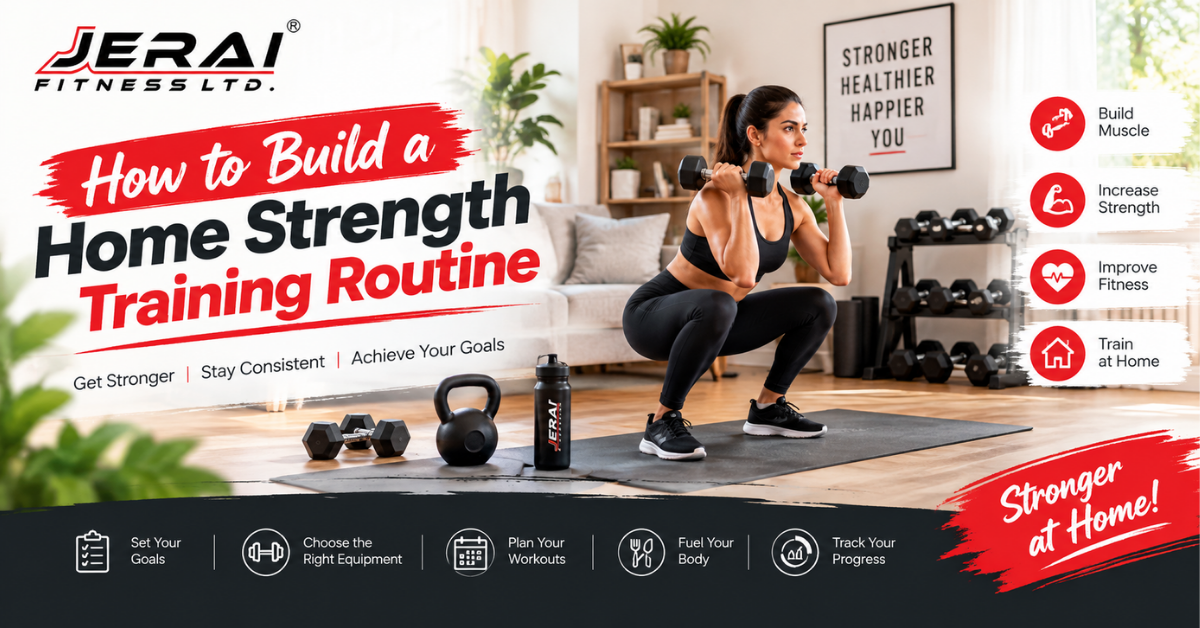
Getting stronger does not require a gym membership or a room full of machines. A good strength training routine at home comes down to a plan, a few pieces of equipment, and consistency. This guide walks you through the steps, from picking your goal to choosing exercises, so you can start building a routine that actually fits your life.
Why Strength Training at Home Works
Home workouts remove the biggest barriers people face: commute time, crowded equipment, and gym schedules. When your setup is in your living room or garage, you can train for 30 minutes before work or squeeze in a session between meetings.
Strength training at home also works because the basic principles of building muscle and strength do not change based on location. Your muscles respond to resistance, whether that resistance comes from a barbell at a commercial gym or a set of adjustable dumbbells in your spare room. What matters is progressive overload: gradually increasing weight, reps, or sets over time.
The American College of Sports Medicine recommends adults do strength training exercises for all major muscle groups on two or more days per week. That target is realistic to hit with a home setup, and you skip the drive time.
There is also a cost angle worth mentioning. A one-time purchase of dumbbells, a bench, and a few bands often costs less over a year or two than a recurring gym membership. Once the equipment is in place, a home gym workout is available whenever your schedule allows it, rain or shine, early morning or late at night.
What You Need Before You Start
You do not need a fully equipped facility to start a home gym workout. A basic setup can cover most strength exercises at home. Here is a simple starting list:
-
Adjustable dumbbells or a fixed set for presses, rows, and curls
-
A flat or adjustable bench for chest presses, step-ups, and split squats
-
Resistance bands for warm-ups, accessory work, and travel days
-
A pull-up bar if your doorway or wall allows it
-
A mat for floor work and stretching
As your strength training routine at home develops, you can add a barbell with plates, a squat rack, or a cable station. Companies like Jerai Fitness build home gym equipment such as benches, racks, and dumbbell sets specifically for smaller spaces, which makes it easier to expand your setup one piece at a time instead of buying everything at once.
How to Build Your Home Strength Training Routine
Let's break it down into five steps. Follow these in order, and you will end up with a routine that matches your goals instead of a random collection of exercises.
Step 1: Define Your Goal
Decide what you are training for before you pick a single exercise. Common goals include:
-
Building general strength and muscle
-
Losing fat while keeping muscle
-
Improving mobility and joint health
-
Training for a specific sport or activity
Your goal shapes everything else, including how heavy you lift and how much rest you take between sets.
Step 2: Choose Your Training Split
A training split tells you which muscle groups you work on which days. For a home workout routine, three common options work well:
-
Full-body split: Train your whole body 2 to 3 times per week. This suits beginners and people with limited equipment.
-
Upper/lower split: Alternate upper body and lower body days, 4 days per week.
-
Push/pull/legs split: Separate pushing muscles, pulling muscles, and legs across 3 or 6 days per week.
Beginners usually get the best results from a full-body split because it allows more frequent practice of each movement pattern.
Step 3: Pick Your Exercises
Build your routine around compound movements first. These work multiple muscle groups at once and give you the most return for your time. Add isolation exercises after to target specific areas.
Compound strength exercises at home you can build around:
-
Squats (bodyweight, goblet, or barbell)
-
Deadlifts (dumbbell or barbell)
-
Push-ups or dumbbell bench press
-
Rows (dumbbell or band)
-
Overhead press
-
Lunges or split squats
Isolation options to round things out:
-
Bicep curls
-
Tricep extensions
-
Lateral raises
-
Calf raises
Step 4: Set Your Sets, Reps, and Rest
Here is why this step matters: sets and reps determine whether you are training for strength, muscle size, or endurance.
|
Goal |
Sets |
Reps |
Rest |
|
Strength |
3-5 |
3-6 |
2-3 minutes |
|
Muscle growth |
3-4 |
8-12 |
60-90 seconds |
|
Endurance |
2-3 |
15-20 |
30-45 seconds |
Pick the row that matches your Step 1 goal and apply it across your exercises.
Step 5: Track Progress and Adjust
Write down your weights, sets, and reps every session. When an exercise starts to feel easy at the top of your rep range, add weight or reps the next time you train. This is progressive overload, and it is the main driver of results in any strength training routine at home.
Sample Beginner Home Strength Training Routine
Here is a simple full-body routine you can run three days a week, with a rest day between sessions.
Day A
-
Goblet squat: 3 sets x 10 reps
-
Push-ups: 3 sets x 10 reps
-
Dumbbell row: 3 sets x 10 reps per side
-
Plank: 3 sets x 30 seconds
Day B
-
Dumbbell deadlift: 3 sets x 8 reps
-
Overhead press: 3 sets x 10 reps
-
Lunges: 3 sets x 10 reps per leg
-
Bicep curls: 2 sets x 12 reps
Rotate between Day A and Day B for your three weekly sessions, then repeat the cycle. Add small amounts of weight each week as the routine feels manageable.
Choosing Home Gym Equipment That Fits Your Space
Your available space and budget decide how far your setup can go. Next steps for equipment usually follow this order:
-
Start with dumbbells and a mat.
-
Add a bench once pressing and step-up movements become part of your routine.
-
Bring in a pull-up bar or resistance bands for pulling variety.
-
Consider a rack or multi-station unit once you are training consistently and want to add barbell work.
If space is tight, look for foldable benches or wall-mounted stations. Some strength training equipment on the market, including options from Jerai Fitness, is built to fold away or mount to a wall, which helps when your workout area doubles as a living room or spare bedroom. Choose pieces based on the exercises in your routine rather than buying equipment first and building a plan around it later.
When shopping for home weight training gear, check the weight increments available, the build quality of the frame, and whether the brand offers assembly support, since larger equipment like racks and benches often needs to be put together on-site.
Common Mistakes to Avoid
-
Skipping a warm-up. Five minutes of light movement and mobility work lowers injury risk.
-
Ignoring form for the sake of weight. Watch instructional videos or record yourself to check your positioning, especially on squats and deadlifts.
-
Training the same muscles every day. Muscles need 48 hours to recover before you train them again with intensity.
-
Never changing the routine. Update your sets, reps, or exercises every 6 to 8 weeks to keep progressing.
-
Buying equipment you will not use. Match your purchases to your actual routine and available space.
Final Thoughts
A home strength training routine works when you treat it like any other skill: define a goal, follow a plan, track your numbers, and adjust over time. You do not need a large room or a long equipment list to get started. A few well-chosen pieces, a clear split, and consistent effort will take you further than an expensive setup you rarely use.
FAQs
Do I need a full home gym to build strength at home?
No. A set of dumbbells, a bench, and a mat cover most strength exercises at home. You can add barbells, racks, or machines later as your routine and space allow.
How many days a week should I do strength training at home?
Two to three sessions per week works for most people starting out. This lets each muscle group recover fully between sessions while still building consistent strength.
What is the best home workout routine for beginners?
A full-body routine done three times a week, using compound moves like squats, push-ups, and rows, gives beginners steady progress without needing to learn a complex split right away.
How much weight do I need for home weight training?
Start with dumbbells you can lift for 10 to 15 reps with good form. Adjustable dumbbells or a small set of plates let you increase the load gradually as you get stronger.
Can strength training equipment fit in a small apartment?
Yes. Foldable benches, wall-mounted stations, and stackable dumbbells are built for smaller spaces. Measure your area first and pick equipment that matches both your routine and your room.